
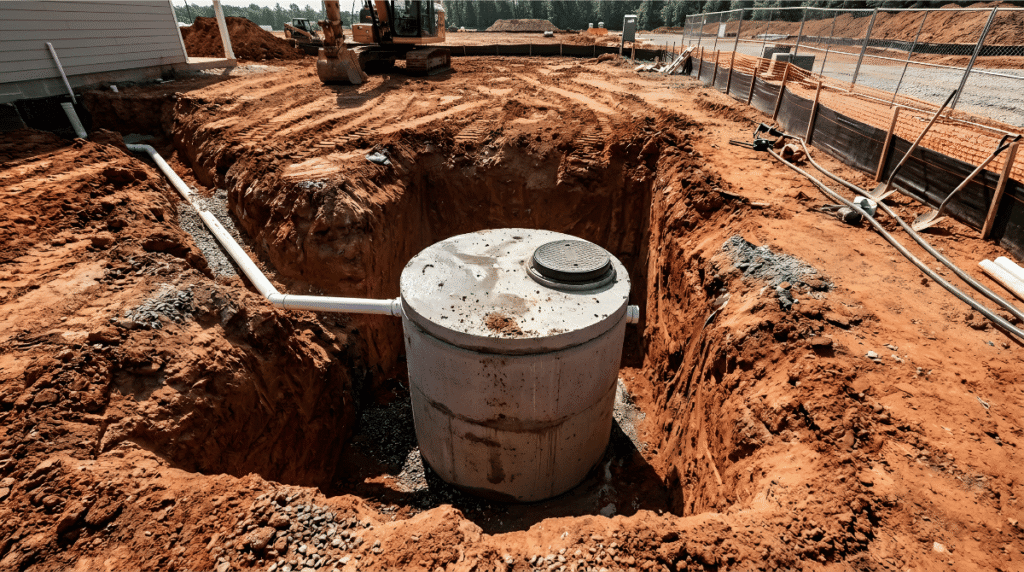
Building a home on a larger piece of land can be an exciting opportunity. More homeowners are looking for privacy, open space, and room to grow, especially in rural areas around Molalla, Oregon. But when you are building outside areas served by municipal sewer lines, there is an important detail that needs attention early: your septic system. At Legacy Valley LLC, we know that septic system planning for new construction should happen before you start digging, not after your home plans are already finalized.
A septic system is a major part of a new rural property. Its location can affect your home’s placement, driveway, landscaping, wells, and future improvements. Taking time to plan ahead can help prevent expensive changes and construction delays later.
Planning a new home on acreage? Contact Legacy Valley LLC at (503) 545-6163 to discuss your septic needs before breaking ground.
Why Septic Planning Should Happen Early
When you have several acres to work with, it may seem like there is plenty of room to put a septic system anywhere you want. In reality, soil conditions, property layout, setbacks, slopes, and local requirements can all affect where a system can be installed.
This is why septic planning should be part of the early construction process. Your septic professional can help identify potential challenges before your home site is finalized.
A little planning at the beginning can make the entire building process easier. It also gives you a better idea of how your septic system will fit into the property for years to come.
Start With a Property Evaluation
Before choosing where your home will sit, you need to understand the land itself. A property evaluation can help determine whether the soil and site conditions are appropriate for a septic system.
Soil type and drainage are especially important. Some soils allow wastewater to move through the ground more easily than others. Slopes, rocky areas, wetlands, and high groundwater can also affect the design and location of your system.
On acreage, you may have several possible areas for a home and septic system. However, not every area will be equally suitable.
The earlier these conditions are considered, the easier it is to make smart decisions about the rest of the property.
Think About the Whole Property
One of the biggest mistakes we see with rural construction is thinking about the septic system as an afterthought. Your septic system needs to work with the entire property layout, not just the house.
When developing a property, consider things such as:
- Home location and foundation
- Driveways and parking areas
- Private wells and water sources
- Property boundaries and required setbacks
- Future additions or outbuildings
- Drainage and natural features
A septic system also needs enough suitable space for the current system and, depending on local requirements and site conditions, a possible replacement or reserve area in the future.
This is particularly important when building on acreage. You may have plans for a shop, guest house, barn, pool, garden, or other improvements later. Keeping the septic system and its surrounding areas protected now can give you more flexibility down the road.
If you are preparing to build on rural property, give Legacy Valley LLC a call at (503) 545-6163. We can help you think through your septic needs before construction gets underway.
Consider Your Home’s Future Needs
A septic system needs to be designed around the expected wastewater use of the property. That means you should think beyond how your household looks today.
For example, will your family grow? Will you have frequent guests? Are you planning to add another bathroom or living space in the future?
These questions matter because the size and design of a septic system need to match the property’s needs and applicable requirements.
When discussing septic planning with your contractor and septic professional, let them know about your long-term plans. It is much easier to account for potential changes during the design stage than to make major modifications after your home and landscaping are complete.
This is also where septic planning for building on acreage becomes especially valuable. Having extra land does not automatically mean your septic system will have unlimited capacity or that future construction can happen anywhere on the property.
Coordinate Septic Planning With Construction
Your septic system should not be planned separately from the rest of your construction project. Your builder, septic professional, designer, and other contractors may all need to coordinate before work begins.
For example, the location of your driveway may affect access for septic installation. The home’s elevation can affect how wastewater moves through the system. Landscaping and grading plans may also need to account for the septic area.
If you wait until construction is underway to address these details, you may end up having to change plans.
For homeowners building a septic system for new construction on acreage, early coordination can make a major difference. It helps everyone understand where important components will go and what areas need to remain accessible and protected.
Protect the Septic Area During Construction
Once your septic area has been identified, make sure it stays protected throughout the building process. Construction equipment, stored materials, heavy vehicles, and unnecessary grading can damage soil or interfere with the planned system.
Your septic professional can explain which areas need to remain undisturbed.
It is also a good idea to communicate the septic plan with everyone working on the property. A contractor who does not know where the system will be located could accidentally drive heavy equipment over an area that needs to be protected.
Good communication is a simple step, but it can prevent problems.
Make Septic Planning Part of Your Building Plan
Building a home on acreage gives you more control over your property, but it also comes with responsibilities that may not come with a typical subdivision. Water, wastewater, access, drainage, and land use all need to be considered before construction begins.
When you start the septic process early, you have more time to address potential site challenges and coordinate the system with your home plans.
Most importantly, do not assume that a large property means septic planning will be simple. Every property is different.
Ask Questions Before Breaking Ground
Before construction begins, take the opportunity to ask questions about your septic system. Understanding the project early can help you make better decisions about your property.
If you are planning a septic system before building a home, consider asking about the site, system design, installation requirements, access, maintenance, and how future improvements could affect the system.
It is much better to identify a potential issue during planning than when construction is already underway.
Build With the Future in Mind
Acreage can give homeowners plenty of possibilities, but those possibilities are easier to enjoy when the property is planned properly from the beginning. Your septic system is not simply another construction detail. It is an important part of how your property will function for years to come.
Good planning means considering the land, home, wastewater needs, future projects, and long-term maintenance before breaking ground.
If you are building a rural home, do not wait until the house is nearly finished to think about wastewater. Start early, ask questions, and work with professionals who understand septic systems and the needs of rural properties.
At Legacy Valley LLC, we are proud to serve homeowners in Molalla and surrounding areas with dependable septic and sewer services. If you are preparing for a new construction project and need help planning your wastewater system, contact us at (503) 545-6163. We can help you take the right steps toward a properly planned septic system installation in Molalla, OR.